
If you check any SEO dashboard, you’ll find businesses focusing heavily on keyword rankings, organic traffic, and backlink counts. These are the SEO metrics most companies track consistently.
But they only scratch the surface of what’s actually happening on your site. Sure, organic traffic tells you how many people showed up. Keyword rankings show where you appear in Google search. And backlinks? They measure your site’s authority.
The bigger opportunity sits in overlooked digital marketing metrics like engagement depth and scroll rate. These reveal whether visitors care about your content or leave after a few seconds.
In this article, we’ll cover the simple metrics most businesses ignore and how they reveal what traffic numbers alone can’t.
The SEO Metrics Most Businesses Track
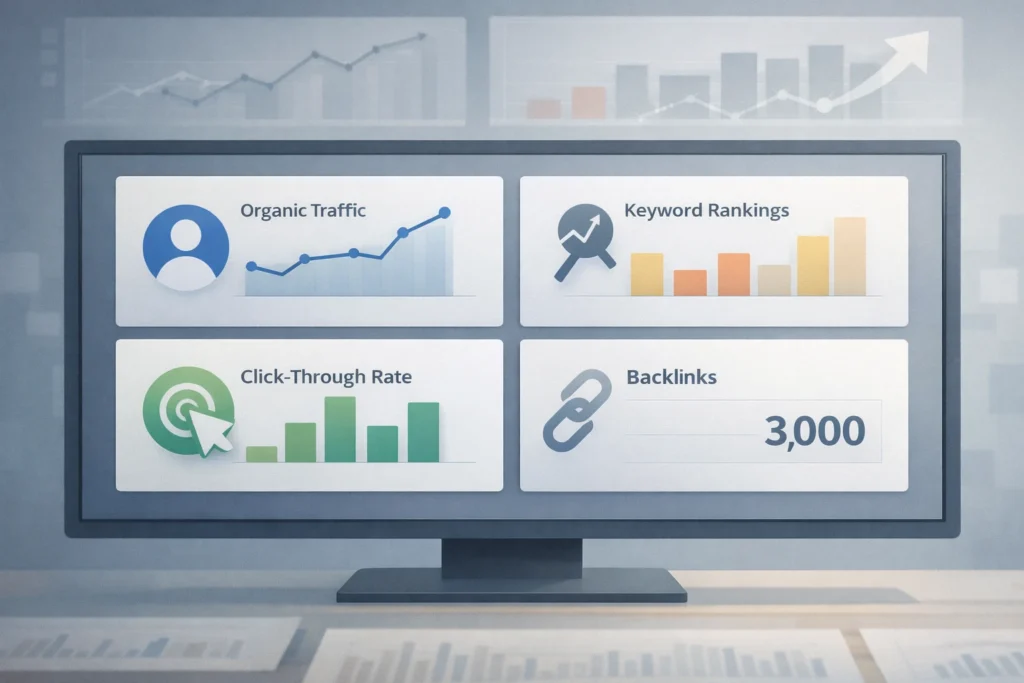
Most businesses track organic traffic, keyword rankings, and click-through rates because they’re easy to find in Google Search Console and give a quick snapshot of SEO performance.
Take organic search traffic, for example. You might have seen 5,000 page views last month, but did visitors read the content or click around? Or did they bounce after glancing at the first paragraph? Search Console doesn’t tell you that part.
Rankings work the same way. They show you search visibility, but can’t measure whether the content connects with your target audience. Ranking #3 for “Brisbane SEO services” looks great on paper. But if visitors leave within seconds, that ranking isn’t doing much for your business.
Similarly, click-through rates demonstrate title appeal yet provide no insight into actual user engagement or content quality. In other words, you’re only seeing the tip of the iceberg.
Engagement Depth: How Long People Stay (and Why It Counts)
Engagement depth measures how much of your content visitors actually consume. Unlike the total time on page, it shows whether users are truly reading and interacting, or just skimming before leaving.
The difference becomes clear when compared with older engagement metrics like bounce rate.
How It’s Different from Bounce Rate
Bounce rate tracks the percentage of visitors who leave without clicking elsewhere on your site. It’s been the standard SEO metric for years, but it misses a lot.
Think about it. A visitor can leave your page quickly but still read the full article or scroll through multiple sections. Engagement depth captures that behaviour. It shows the real quality and relevance of your content, while bounce rate on its own often paints an incomplete picture.
What Good Engagement Looks Like on Your Site
Strong engagement usually means visitors scroll past most of your content and spend time across multiple sections. They click internal links, watch embedded videos, or complete forms and download resources.
When engagement depth is high, businesses often see higher conversion rates, longer sessions, and lower cost per acquisition. These visitors read the content, explore your pages, and take meaningful actions.
Scroll Rate: Are Visitors Reading Your Content?
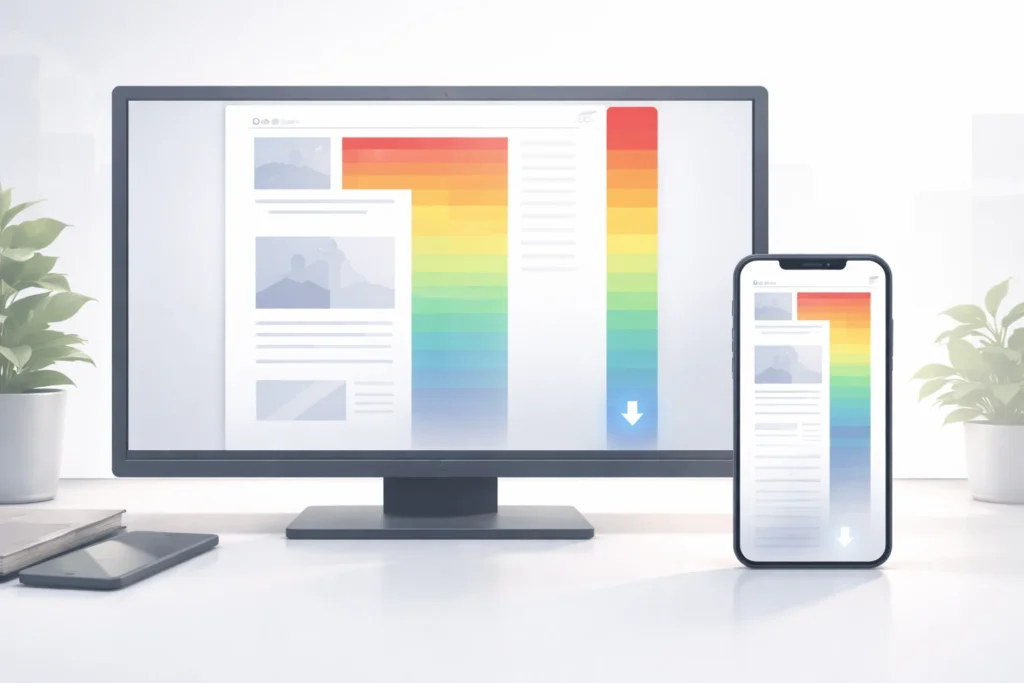
Yes, most visitors do scroll, but not as far as you might expect. According to Chartbeat, 55% of people spend fewer than 15 seconds actively engaged with a page. That gives you a very short window to capture their attention before readers move on.
This is where scroll rate becomes useful. It tracks how far down the page visitors move, which helps show whether your content holds their interest. If most readers drop off after the first two paragraphs, something isn’t working. It could be a weak opening, poor formatting, or content that doesn’t match what they searched for.
On the flip side, high scroll rates suggest visitors find value throughout the page. They’re reading multiple sections and spending time with the content. That kind of user behaviour aligns with what search engines associate with useful, relevant content.
Relevance Match in Google Search Console
Relevance match tells you if visitors find what they expected when they clicked your link from search results. For instance, if someone searches for “best coffee in Brisbane” but lands on your page about coffee bean suppliers, they’ll likely bounce straight back to Google search.
Here’s what relevance match reveals about your content performance:
- Strong Relevance Match: When your content aligns with search intent, people stick around. They read more, click internal links, and engage with your site. This reduces immediate exits and improves your overall user engagement metrics (which is exactly what you want).
- Poor Relevance Match: Visitors realise the page doesn’t answer their question and leave quickly. Frequent early exits signal to Google that your content may not be meeting user needs.
- Tracking Through Search Console: Watch your average time on page and pages per session in Google Search Console. If people land and immediately leave, your relevance match needs work. The content might be solid, but it’s not matching what people actually want when they click your link.
The key is making sure your title, meta description, and actual content all deliver on the same promise.
Time to First Interaction: Why Response Time Beats Page Speed

You click a button and… nothing. The page loaded fine, but now it’s frozen for three seconds while scripts catch up.
Time to first interaction measures how quickly visitors can click buttons, fill out forms, or navigate your site without delay. The page looks ready, but the buttons won’t respond because JavaScript is still loading in the background. Even when a page loads quickly, this lag frustrates users who just want to take action.
This is different from Core Web Vitals, which focuses on loading speed and visual stability. The time between the first interaction shows whether site visitors can use your page once it appears.
Improving interaction time reduces friction and increases customer engagement. When people can interact immediately, they’re more likely to stay and convert. Slow interaction, on the other hand, sends them straight to your competitors.
How These Metrics Shape Your Digital Marketing Strategy
Once you start tracking these metrics, you’ll spot patterns that change how you spend on digital marketing.
For example, blog posts might drive tons of organic traffic but show low engagement depth. Meanwhile, your how-to guides might get less traffic but keep people engaged for minutes at a time. That tells you where to focus your content creation efforts.
Other metrics like scroll rate and relevance match show you exactly what needs fixing to increase conversions without spending more on Google Ads or paid advertising. If visitors bounce after two paragraphs, you don’t need more traffic. You need better content that matches search intent.
These engagement metrics reveal which digital channels actually deliver results. Instead of throwing money at more ads across social media platforms or email marketing, you can improve what’s already working and cut what isn’t.
Tools That Track Customer Engagement

You probably already have access to tools that track these metrics, but most businesses never turn them on. Setting them up takes minutes and can reveal exactly where your content loses people.
Here are the best tools for tracking customer engagement:
- Google Analytics 4: Most analytics platforms include engagement tracking, but businesses rarely activate it or explore beyond the basics. GA4 can track scroll depth, but you need to configure custom events to capture meaningful data (though most businesses skip this step entirely). The functionality is already in your dashboard, waiting to be set up.
- Heatmap Tools: Tools like Hotjar reveal exactly where visitors click, scroll, and abandon your content throughout the page. You can see which sections get read and which get skipped. This visual data makes it easy to spot problems that raw numbers might miss.
- Google Search Console: Beyond basic traffic reports, Search Console shows you which search queries bring engaged users to your site. You can track average engagement time per query and see which landing pages keep people around longest. These insights help you double down on content that works.
- Microsoft Clarity: If you want to understand why engagement drops, not just where, Clarity makes that visible. It records real user sessions so you can see where visitors hesitate, click repeatedly, or abandon a page. This helps you identify friction points that don’t show up in traffic or engagement reports alone.
The good news is you don’t need all of these at once. Start with one or two SEO tools and expand from there as you get comfortable with the data.
Start With One Metric This Week
You don’t need to become a data scientist overnight. Pick one overlooked SEO metric like scroll rate or engagement depth and monitor it for 30 days. See what patterns emerge.
That’s where most businesses go wrong: chasing keyword rankings without paying attention to visitor behaviour. Small changes based on real visitor behaviour often beat obsessing over rankings. You might discover your intro loses people, your formatting needs work, or your titles overpromise what the content delivers.
Start tracking what happens after people land on your site, not just how many showed up. And if you need help making sense of the data, we’re here to help.